Turning a Loss-Making
In-Store Concession into
a +60% Revenue Operation
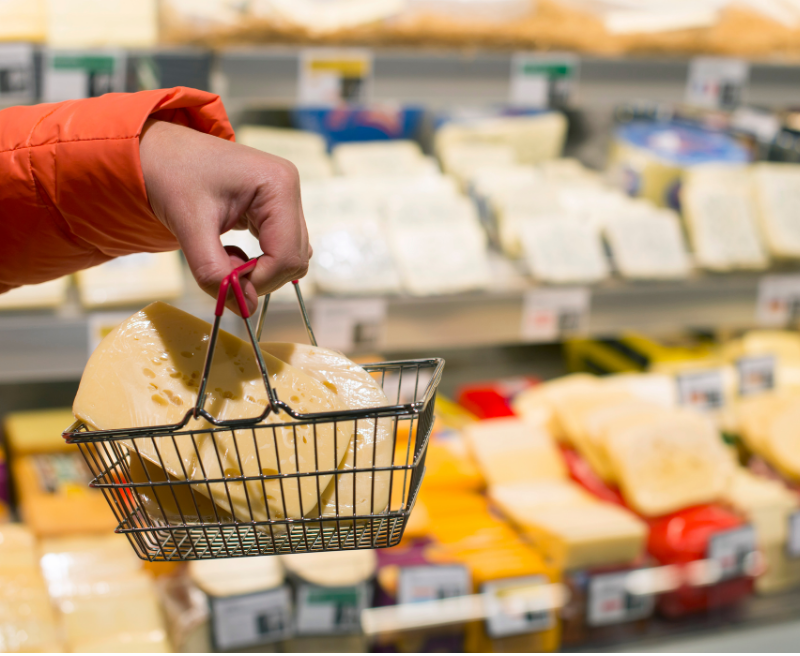
A concession inside a supermarket.
Losing money every week.
The concession was operating inside a supermarket, a setup that should have worked. The foot traffic was there. The customer base was there. But week after week, the concession was closing at a loss.
Customers were walking past without stopping. The space felt disconnected from the rest of the store, static, uninviting, easy to ignore. The relationship between the supermarket ownership and the concession operator had deteriorated. Communication had broken down. Neither side had a clear picture of what was going wrong or who was responsible for fixing it.
The concession was underperforming not because the product was fundamentally bad but because the execution around it had completely broken down.
Six things that were
broken at the same time.
Communication breakdown between both parties
The supermarket and concession operator had no functioning working relationship. Decisions weren't being made. Problems weren't being surfaced. Both sides were operating in separate silos inside the same building.
No shared understanding of customer flow
Nobody had mapped how customers actually moved through the store, when they were most likely to buy, or how to position the concession to intercept that traffic. Placement was guesswork.
Poor in-store merchandising execution
Products were not positioned for visibility or impulse. The display wasn't working as a sales tool. Items were arranged out of habit, not strategy, with no adjustment based on what was actually selling.
No awareness of time-based buying behavior
Morning customers, lunchtime customers, and weekend shoppers behave completely differently. The concession was operating the same way regardless of the hour or the day, leaving significant sales volume on the table.
Weak perception of freshness and activity
The space felt passive. There was no visible energy, no sense of activity, no cues that communicated freshness or quality. Customers didn't feel pulled toward it, and a concession that doesn't feel alive doesn't feel worth stopping for.
Products not aligned to demand
The product mix didn't reflect what customers in that specific supermarket environment were actually looking for. Items were stocked based on what the operator wanted to sell, not on real customer demand data.
We went in.
Spoke to everyone.
Fixed what was broken.
Direct conversations with all stakeholders
We sat down separately with the supermarket owners, the concession operator, and the floor staff. We listened without framing it as anyone's fault. We needed the full picture, and we got it.
Identified the real breakdown points
We weren't looking for a narrative, we were looking for facts. Where was the disconnect? What wasn't being communicated? What execution gaps were creating the weekly losses? We mapped every one.
Rebuilt the working relationship
We got both parties in the same conversation and set clear expectations, operational, commercial, and relational. We removed the ambiguity that was letting problems compound unaddressed.
Stabilizing the relationship between supermarket and concession
The working relationship between the supermarket and the concession operator had collapsed into passive tension. Each side had grievances. Neither side was communicating them directly. The result was a slow erosion of cooperation that was costing both parties money.
We created a simple, direct operational structure, clear responsibilities, clear expectations, clear escalation. We didn't mediate. We clarified. Once both sides understood what was expected of them and what they could expect in return, execution immediately became less fractured.
- Established clear communication channels between both operators
- Set shared performance expectations tied to measurable outcomes
- Removed ambiguity in day-to-day operational responsibilities
- Built trust by demonstrating early, visible wins from collaboration
Rebuilding visibility, placement, and in-store behavior
We studied how customers actually moved through the store, not how the layout assumed they would. We tracked foot traffic patterns at different times of day and on different days of the week. Then we used that data to reposition products, signage, and display structures for maximum exposure.
The concession stopped being something customers had to find and started becoming something they walked toward naturally. Small changes in placement produced immediate, measurable results. We continued adjusting based on what the data showed week over week.
- Repositioned products based on real customer flow patterns
- Optimized product placement by time of day and weekly traffic cycles
- Made the space feel active and alive, not static or abandoned
- Introduced visible freshness cues that drove impulse engagement
- Worked with management to keep refining placement as traffic data evolved
Aligning product quality and presentation with customer expectations
An in-store concession competes on freshness, reliability, and perceived value. Customers who stop once and find the product inconsistent don't stop again. We identified where product quality and presentation were falling short of what the customer expected, and fixed it at the execution level, not the policy level.
- Improved consistency in product execution, taste, texture, portion
- Enhanced presentation standards to communicate quality at a glance
- Introduced freshness rotation discipline to eliminate stale product on display
- Aligned the product range to match what customers in this specific environment actually wanted
Introducing a seasonal layer to capture demand spikes
Concession customers don't behave the same way across the year. Demand peaks are real and predictable, but only if you're planning for them. The concession had no seasonal strategy. It was running the same offer week after week, regardless of what customers were actively looking for.
We introduced forward planning tied to seasonal demand patterns. Products were rotated, positioned, and communicated in ways that matched the moment, creating relevance, driving footfall, and building a sense of occasion around the in-store experience.
- Built a seasonal product calendar aligned to known demand cycles
- Positioned seasonal items for maximum visibility and emotional pull
- Created in-store moments that made the concession feel current and relevant
- Measured uplift per seasonal push and refined the approach based on results
From isolated corner
to integrated part
of the store.
After the initial fixes delivered the first +33% sales lift, we went deeper. The concession was still operating with the psychology of a separate unit, a tenant inside a building, not a part of the store's identity.
We restructured the physical and experiential relationship between the concession and the supermarket floor. Accessibility improved. Natural foot traffic routes were redesigned to pass through or near the concession naturally. The visual and sensory experience was integrated into the broader store atmosphere.
The concession stopped feeling like something you had to seek out. It became something you encountered, and that change in perception drove the second wave of growth.
Numbers that came
from execution, not strategy decks.
Sales increase after first round of operational fixes
relationship, placement, and product quality improvements.
Total revenue increase vs. pre-engagement baseline
after layout restructuring and deeper store integration.
Beyond the headline numbers, the concession moved from weekly losses to stable, consistent profitability. The supermarket relationship was repaired and functioning. Both parties had clear operational roles and a shared interest in the concession's performance. Customer engagement increased visibly, foot traffic into the concession was measurably higher, and the perception of freshness and quality had shifted.
"This wasn't a marketing exercise. It was operational intervention inside a live business environment, fixing execution, alignment, and visibility until performance became consistent and measurable."
SNA Group Retail & Food Service Engagement